

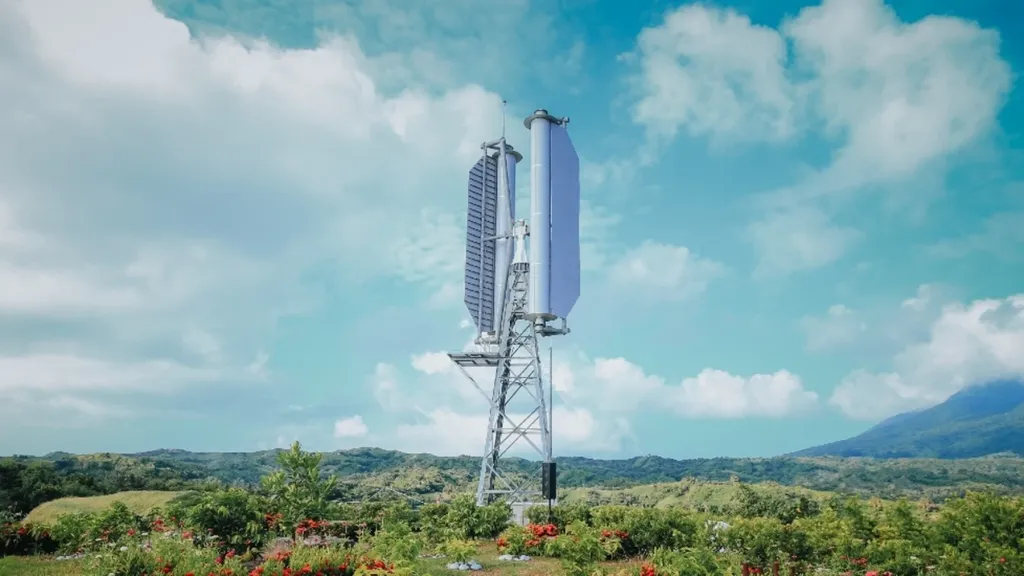
Are you thinking about greener energy options? A small wind turbine system might be just what you need to generate power right in your backyard. Imagine reducing your electricity bill, shrinking your carbon footprint, and contributing to a cleaner planet, all thanks to the wind. This article will walk you through the basics of using wind energy at home, focusing on how these systems work and what you need to know before you invest.
Understanding Wind Power at Home
So, how does harnessing the wind for electricity work? A wind turbine captures the kinetic energy of the wind using blades. When the wind blows, these blades rotate, turning a generator that converts this mechanical energy into electricity. This electricity can then be used to power your home, charge batteries for later use, or even be fed back into the electrical grid, potentially earning you credits on your electricity bill.
But why consider a small wind turbine specifically? Large-scale wind farms obviously generate significant power, but they aren’t practical for individual homes. Small turbines, on the other hand, are designed to be installed on residential properties. They are scaled down to match the power needs of a single household or small business, making them an accessible and attractive option for sustainable energy.
Is a Home Wind Turbine Right for You?
Before you rush out to buy a turbine, it’s important to assess whether your property is suitable for wind power. Several factors come into play.
-
Wind Speed, This is the most critical factor. Do you live in an area with consistent winds? Wind speed varies significantly depending on location, terrain, and height above ground. You’ll need to determine the average wind speed at your site to estimate how much electricity a turbine can generate. Local weather data, wind maps, and even hiring a wind assessment professional can help you with this.
-
Zoning and Regulations, Local zoning laws and building codes may restrict the height or placement of wind turbines. Some areas may even prohibit them altogether. Contact your local planning department to understand the regulations in your area before proceeding. You may need permits and approvals, which can add time and cost to the project.
-
Space and Obstructions, Turbines need adequate space to operate safely and efficiently. Obstructions like trees, buildings, and other structures can block the wind and reduce the amount of power generated. Ideally, your turbine should be positioned in a location with unobstructed wind flow from all directions.
-
Noise, Wind turbines do generate some noise as the blades rotate. While modern turbines are designed to be relatively quiet, some people may find the noise bothersome, especially if the turbine is located close to their home or neighboring properties.
Components of a Small Wind System
A small wind power system consists of several key components, each playing a vital role in converting wind energy into usable electricity,
- Turbine, The turbine itself includes the blades, rotor, and generator. The blades capture the wind’s energy, the rotor spins the generator, and the generator converts the mechanical energy into electricity.
- Tower, The tower elevates the turbine above ground level, allowing it to access stronger and more consistent winds. Tower height is crucial for optimal performance.
- Inverter, The inverter converts the direct current (DC) electricity generated by the turbine into alternating current (AC) electricity, which is the standard form of electricity used in most homes.
- Controller, The controller manages the charging of batteries (if you’re using a battery-based system) and protects the system from overcharging or damage.
- Wiring and Connections, Proper wiring and connections are essential for safely and efficiently transmitting electricity from the turbine to your home or the grid.
- Batteries (Optional), If you want to store excess electricity for later use, you’ll need batteries. Battery-based systems can provide backup power during grid outages.
Installation and Maintenance
Installing a wind turbine is not a simple DIY project. It typically requires specialized knowledge and equipment.
- Professional Installation, Hiring a qualified installer is highly recommended. A professional installer can assess your site, select the right turbine for your needs, and ensure that the system is installed safely and correctly.
- Safety Considerations, Working with electricity and heights can be dangerous. It’s important to follow all safety precautions and to use appropriate safety equipment during installation and maintenance.
- Maintenance, Wind turbines require regular maintenance to ensure optimal performance and longevity. This may include inspecting the blades, lubricating moving parts, and checking electrical connections.
The Cost of Wind Energy
The cost of a home wind turbine system can vary widely depending on the size of the turbine, the height of the tower, and the complexity of the installation. However, it’s important to see this as an investment.
- Initial Investment, The initial cost can be significant, but it’s important to consider the long-term savings on your electricity bill.
- Government Incentives, Many governments offer tax credits, rebates, and other incentives to encourage the adoption of renewable energy technologies like wind power.
- Long-Term Savings, Over time, the savings on your electricity bill can offset the initial cost of the system. Plus, you’ll be contributing to a more sustainable future.
So, could a small wind turbine be the right choice for your home? By carefully considering the factors discussed here, you can make an informed decision and potentially harness the power of the wind to generate clean, sustainable energy for years to come.