
Wind energy, a source as old as time itself, is experiencing a renaissance. We’re not just talking about vast wind farms stretching across the horizon; the focus is also shifting to harnessing the wind’s potential on a more localized scale. How can individuals and small businesses tap into this clean energy source? The answer lies, surprisingly perhaps, in the burgeoning field of small turbines.
Understanding the Potential of Wind Energy
Wind power is a compelling alternative to fossil fuels. It’s renewable, meaning it replenishes naturally. It produces minimal greenhouse gases during operation. But how does it work? Wind turbines convert the kinetic energy of the wind into electricity. The blades rotate, turning a generator, which then produces electrical power. Simple, right?
The overall impact of wind power on the environment is generally positive. It reduces our reliance on fossil fuels, which cause air and water pollution and contribute to climate change. Wind energy helps to diversify our energy sources, improving energy security.
The Rise of Small Turbines
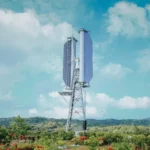
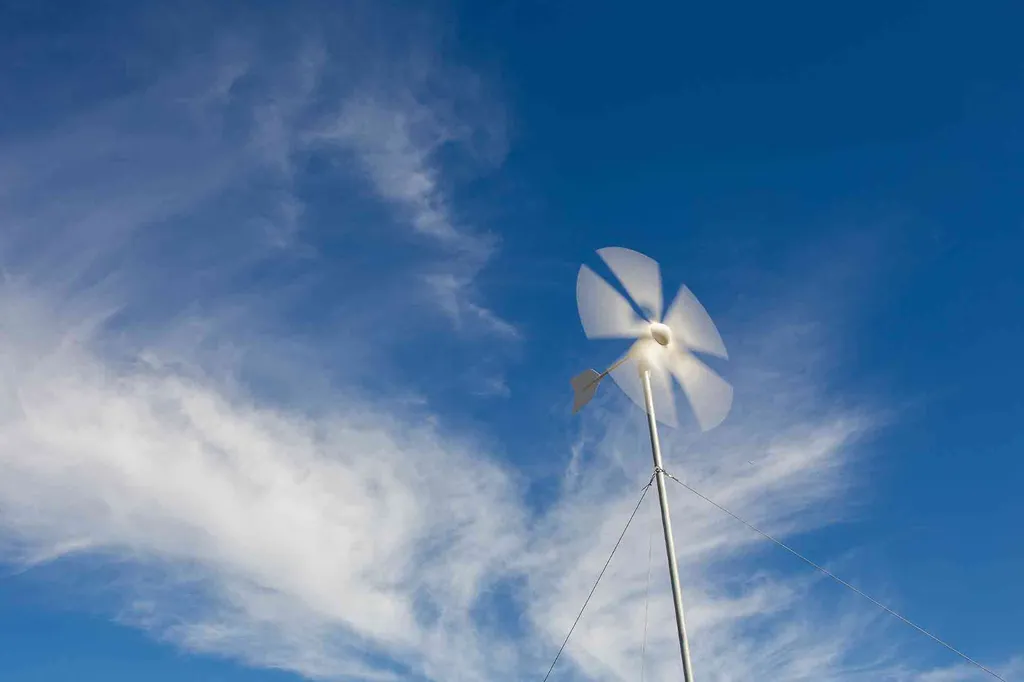
While massive wind farms dominate the energy landscape, a quiet revolution is happening at the individual and small business level. Small turbines offer a unique set of advantages. They are ideally suited for locations with consistent wind resources but limited space or grid access. Think rural homes, farms, small businesses, and even remote communities.
What makes them different from their larger counterparts? Size, of course, is the most obvious difference. Small turbines typically range in size from a few kilowatts to 100 kilowatts, making them suitable for powering individual buildings or small clusters of buildings. They are also designed for easier installation and maintenance.
The benefits are numerous. They can provide a significant reduction in electricity bills, increase energy independence, and reduce carbon footprint. They are also a tangible way for individuals and businesses to demonstrate their commitment to sustainability.
Applications in Real-World Scenarios
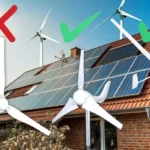
Let’s look at some practical applications. A rural homeowner can install a small turbine to generate their own electricity, reducing or even eliminating their reliance on the grid. A farm can use a turbine to power irrigation systems, reducing operating costs and environmental impact. A small business can install a turbine to power its operations, improving its bottom line and enhancing its image as a responsible corporate citizen.
Consider a remote community that relies on expensive and polluting diesel generators for electricity. A small wind turbine system can provide a cleaner, more affordable energy source, improving the quality of life for residents and fostering economic development.
What about the challenges? Site selection is critical. You need to assess the wind resource at your location to determine if a small turbine is feasible. Proper installation and maintenance are also essential to ensure optimal performance and longevity. Regulations and permitting requirements can vary depending on your location, so it’s important to do your homework.
Factors to Consider When Choosing a System
Choosing the right small turbine system can feel daunting, but it doesn’t have to be. Several factors come into play.
- Wind Resource Assessment – This involves measuring wind speeds and directions at your location to determine the potential energy output of a turbine.
- Turbine Size and Type – The size of the turbine will depend on your energy needs. Different types of turbines are better suited for different wind conditions.
- Grid Interconnection – If you plan to connect your turbine to the grid, you’ll need to comply with your local utility’s interconnection requirements.
- Budget – Small turbines range in price, so it’s important to set a budget and find a system that fits your needs and financial capabilities.
- Maintenance – Consider the long-term maintenance requirements of the turbine.
The Future of Distributed Wind Energy
The future of distributed wind energy looks bright. As technology advances and costs decrease, small wind turbines will become even more accessible and attractive. Government incentives and policies are also playing a role in promoting the adoption of wind energy.
What innovations are on the horizon? Expect to see more efficient turbine designs, improved energy storage solutions, and smarter grid integration technologies. These advancements will make small wind systems even more reliable, cost-effective, and environmentally friendly.
Are you ready to tap into the power of the wind? With careful planning and the right system, you can reduce your carbon footprint, save money, and contribute to a more sustainable future. The potential of harnessing the wind, especially with advanced systems of small turbines, is substantial, offering a pathway to greater energy independence and a cleaner planet.